
In the 1960s, the youth marched for change. In the 2020s, some of them are marching back toward tradition. Going from the Black Lives Matter protests and the Me Too movement to the rise of “tradwives,” there has been a clear shift. With online influences, it is evident that what was once said to be “the most progressive generation” has been red-pilled.
2020
While quarantine changed human lives all over the world, some would argue it affected Generation Z the most. It was a time when kids were coming of age into society, but they were left to their own devices, stuck in their homes. This newfound freedom without societal scrutiny led to teenagers expressing themselves without fear of embarrassment. This resulted in dyed hair, alternative clothing styles and being more vocal about certain viewpoints.
Previous to the infamous year, the 2010s were ruled by millennials, or Generation Y. The decade was extremely progressive in terms of gender equality, body positivity and racial issues. These millennials fostered the “woke” views that the early Generation Z had.
The Shift Into Conformity
When schools eventually reopened, many teenagers were riddled with things like anxiety, which heightened the need to fit in and not be made fun of. As a result, having progressive or “woke” ideologies was left behind or kept locked up. It was dropped by many in fear of being “too sensitive” or “cringe.” Another factor is that the majority of teenagers get their viewpoints through social media, and during this time there was an upheaval in right-wing influencers or podcasts geared toward young people.
Slowly but surely, the youth began covering up their piercings, going back to their natural hair colors and exchanging their hobbies and interests for better perceived ones. Teenagers have grown afraid of individuality. Aesthetics such as “clean girl” have completely filtered out outer personality by taking over clothing stores with minimalist matching sweatpants sets and Ugg boots. In addition, male teenagers have the same rotating haircuts.
The fear of not fitting in has completely infiltrated the world today. Wanting to be the complete opposite of “2020 woke” has resulted in widespread casual racism, sexism and bigotry. This entirely erases what the millennials were trying to implement for future generations.
Reverse Feminism
In Gen Z girls’ childhoods, the “strong female” archetype characters were prominent throughout media. This led to the erasure of traditional femininity. Most girls grew up with the phrase “I’m not like other girls.” This, in return, planted the seed for the widespread internalized misogyny this generation has today.
When this was realized, many females tried to reclaim the feminine identity they felt they missed out on in their childhood. From the Barbie movie to “girl math,” there was no question of hyperfemininity being on the rise. While in theory this was all done in the name of supporting feminism, it quickly backfired.
The new pink aesthetic slowly brought outdated, traditional views disguised as “progressive.” Examples include ideologies that women should never pay for their meals and that women shouldn’t have to work. Women were being painted as weak “bimbos” with trends emerging such as “girl math” and “girl dinner,” which insinuated women were too incompetent to tend to simple things.
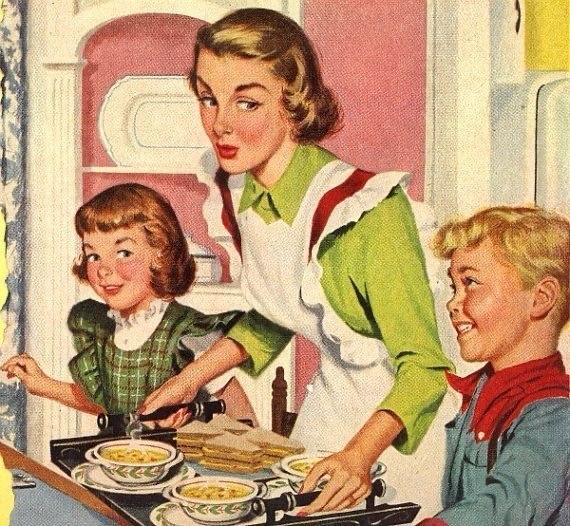
Tradwife influencers such as Nara Smith were on the rise, as many romanticized her lifestyle. No stress, spending all of her time baking, taking care of her children, all while in makeup. This aesthetic slowly became all the rage. The drive in young women to work and have jobs was replaced with a drive to find rich husbands. While wanting to be a mother and wife isn’t harmful in itself, reducing the worth of women everywhere to that is.
Media has been impacted as-well. When celebrities like Sydney Sweeney or Sabrina Carpenter lean into traditionally feminine or flirtatious personas, debates erupt online.. Some argue these women are “setting feminism back,” without questioning why there’s such a big audience for media that reinforces outdated gender norms in the first place.
The Takeaway
What began as a rejection of the hyper-progressive year of 2020 and the 2010s has turned into a larger movement toward tradition and conformity. Social media has played its part in turning the most online generation into traditionalists. Gen Z’s embrace of conservatism is not just a political trend — it’s a cultural statement.

 starsentials
Leave a comment